What charging power is needed at different locations?
The need for charging power varies depending on where the charging takes place. A simple rule of thumb: the shorter the parking time, the higher the power required.
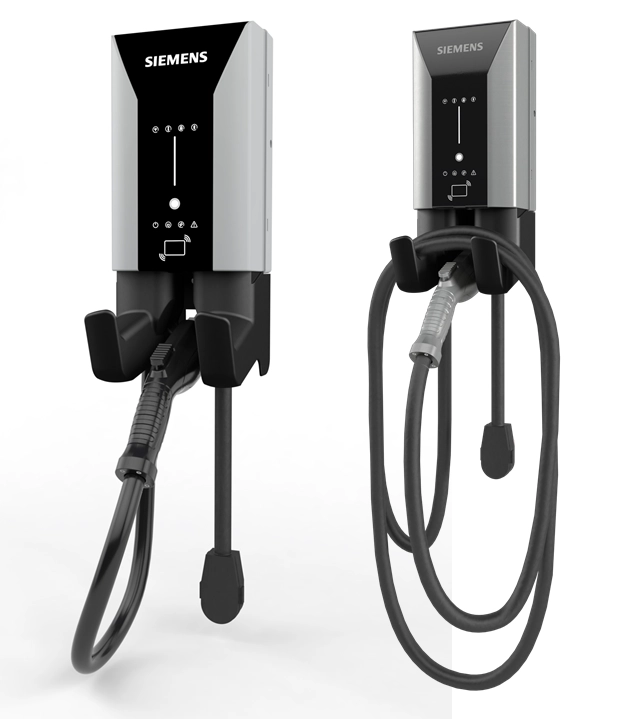
Slow charging at homes and workplaces: Around 85–90% of all charging takes place where cars are parked for long periods. Here, 3–11 kW is usually sufficient. The biggest challenge is creating more charging points at apartment buildings and workplaces — primarily the responsibility of property owners.
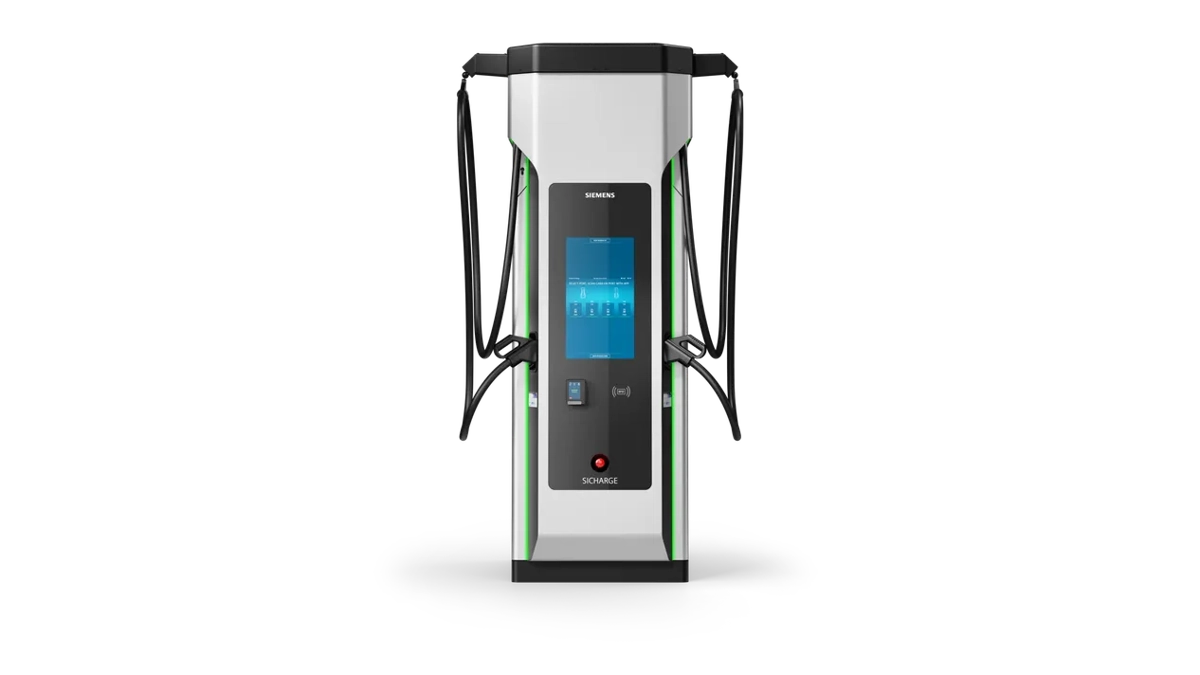
Fast charging: Important for longer journeys and commercial traffic such as taxis and delivery vehicles. Suitable locations are fuel stations, fast-food restaurants and rest areas. At least 50 kW is needed, preferably over 100 kW, as visitors rarely stay more than half an hour to an hour.
Destination charging: At locations where cars are parked for shorter periods — visitor parking, city centres, shopping malls, sports facilities. Here, 11–22 kW is enough to top up a few extra miles of range.
How far can you drive on one hour of charging?
Three factors determine this: the charger's power, the power the vehicle can accept and the amount of energy (kWh) to be charged.
AC charging: Most new cars have a 3-phase charging system in which the onboard charger converts alternating current to direct current. Example: 16 A 3-phase for one hour gives about 40 km of range under normal conditions (11 kW).
DC charging: During fast charging (over 50 kW), the direct current bypasses the onboard charger and is fed directly into the battery. Battery temperature, ambient temperature and state of charge all have an effect. Example: 150 kW for one hour gives about 500–600 km of range under normal conditions.
Why should I choose an electric car?
Environmentally friendly: no emissions while driving. Lower running costs: fewer moving parts, and electricity is often cheaper than fuel. Quiet and smooth driving with instant torque. Tax incentives and subsidies in many countries. Reduced dependence on fossil fuels and future-proof technology. All in all, better economy in the long term, reduced environmental impact and a better driving experience.
How can charging points be designed to be accessible to everyone?
Place charging points near entrances with room for wheelchairs and mobility aids. Use height-adjustable charging stations with control panels at an accessible height. Clear signage and lighting with contrasting colours. Easy-to-use controls without complex menus. Safe, non-slip surfaces. Clear multilingual instructions and customer support by phone or intercom. Seating and weather protection nearby.
How can winter maintenance of charging points be arranged efficiently?
Plan frequent snow clearing so that snowploughs do not block charging points with snow banks. Heated surfaces can melt snow and ice automatically. Anti-slip treatment with sand or salt on walkways. Good lighting and clear markings, even in winter. Routine maintenance of the equipment in cold conditions, along with protective roofing over the charging points.
What does legislation say about charging fees?
Legislation focuses on clear and fair pricing: fees must be transparent and non-discriminatory, and charging stations must accept several payment methods. Regulations may set price caps and require cost-based pricing. Consumer protection gives the right to interrupt charging and receive a refund in the event of technical faults. Operators may be required to report prices and usage data to authorities.
What is a reasonable fee for municipal public charging?
A reasonable fee should balance the costs of electricity, installation and maintenance while remaining affordable. In Sweden, the fee is typically around SEK 3–6 per kWh — competitive with commercial operators and based on actual costs, without being overpriced.
Which payment methods should a charging station offer?
Credit and debit cards via a card reader, contactless payment (NFC via card, phone or watch), mobile apps from the operator or a third party, as well as prepaid RFID cards or key fobs. EU Directive 2014/94/EU on the deployment of alternative fuels infrastructure sets requirements for accessible, standardized and interoperable payment solutions.
What is AFIR?
AFIR (Alternative Fuels Infrastructure Regulation) is the EU regulation intended to strengthen and harmonize the deployment of alternative fuels infrastructure across the EU. Its goals: increased access to charging and refuelling infrastructure, standardization and interoperability between networks, transparency around prices and payment options, and support for innovation. AFIR is part of the EU's "Fit for 55" package, which aims to reduce greenhouse gas emissions by at least 55% by 2030 compared with 1990.